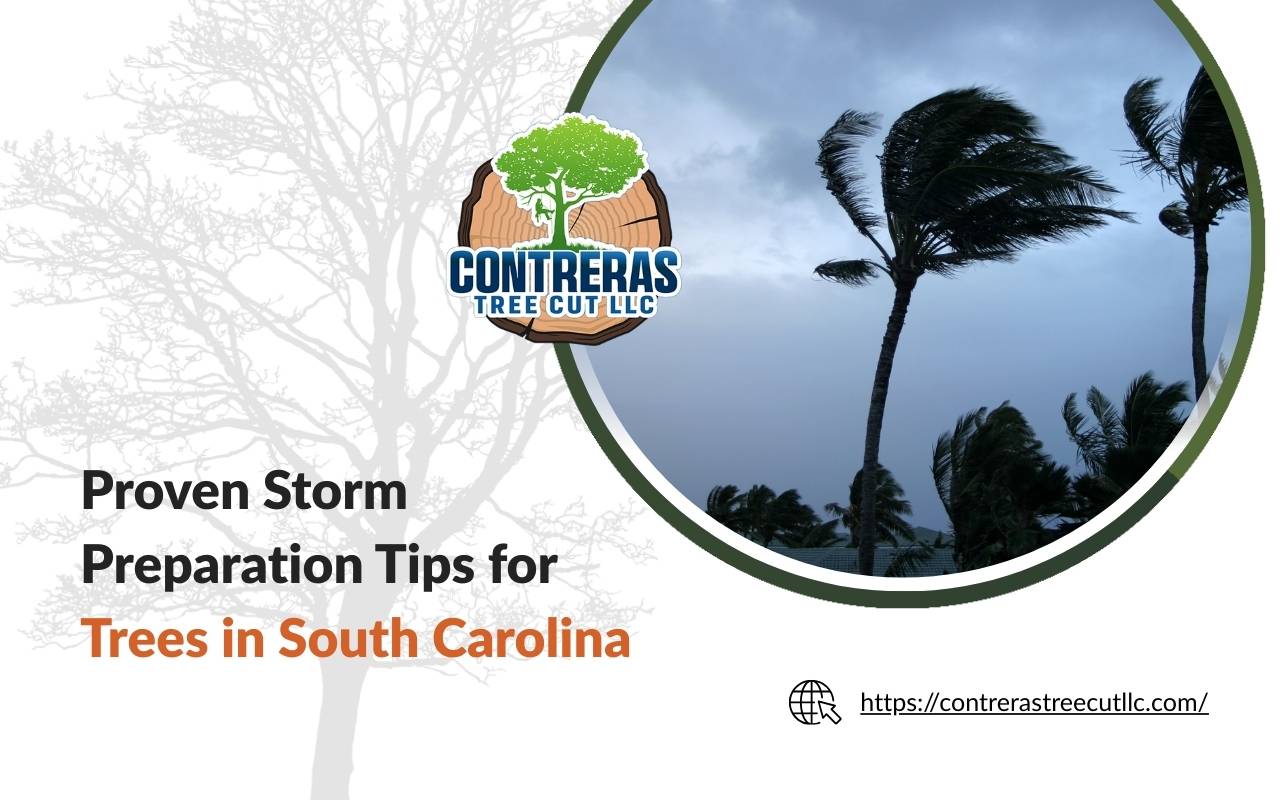
In South Carolina, weather can shift from calm to severe quickly. Our lush trees often face the harshest storm impacts. While they provide beauty, they also risk damage during intense winds and rains. Preparing trees beforehand helps avoid costly consequences. This guide on storm preparation trees South Carolina offers practical steps to safeguard your landscape.
Choosing the Right Tree Species for Resilience
Selecting the right species is crucial for storm preparation trees South Carolina. Native trees like live oaks, bald cypress, and southern magnolia resist storm damage better. They have deep roots and strong wood. Avoid overcrowding when planting. Proper spacing encourages airflow and root strength. Consulting an arborist ensures you choose species suited to your soil and climate. Planning today ensures stronger protection tomorrow.
- Plant native species with sturdy structures
- Allow adequate spacing between large trees
- Consider flexible branches and low centers of gravity
For expert tree care, visit our Greenville tree services page.
Pruning Techniques for Storm Resistance
Pruning reduces wind resistance and prevents weak branches from snapping. Remove dead or diseased limbs. Maintain a central leader for balanced growth. Proper pruning schedules before storm season create stronger attachments. Avoid topping trees since it weakens growth. Consistent pruning ensures trees withstand harsh storms.
- Inspect trees every winter and spring
- Use clean, sharp tools for cuts
- Remove crossing or hazardous branches early
Soil Management Practices to Support Tree Health
Healthy soil supports storm-ready roots. Testing soil pH and nutrients is essential. Amending soil with compost improves structure and water retention. Avoid compaction around roots by limiting heavy traffic. Strong soil foundations allow trees to anchor firmly. This step in storm preparation trees South Carolina ensures long-term resilience.
Proper Tree Planting Methods for Stability
Planting trees correctly from the start makes them storm-resistant. Dig wide but shallow holes to keep roots stable. Ensure the root flare remains above ground level. Water thoroughly after planting. Add mulch but keep it away from the trunk. Young trees may need staking for the first year. These planting methods build long-lasting stability.
Windbreak Establishment for Tree Protection
Windbreaks reduce storm intensity around trees. A hedge of evergreens and shrubs shields vulnerable species. Position windbreaks at a distance to slow winds gradually. Mixing species increases resilience. Over time, these defenses protect the main canopy effectively.
Discover more tree solutions on our Spartanburg services page.
Mulching Strategies for Moisture Retention
Mulch helps trees endure storms by retaining soil moisture and reducing erosion. Organic mulch like bark or pine needles also improves soil over time. Spread mulch evenly but keep it away from trunks. Mulching prevents both root stress and surface runoff during heavy rains.
Monitoring Tree Health and Detecting Warning Signs
Regular inspections help catch early problems. Watch for trunk decay, cavities, pests, or unusual bark cracks. Professional arborists can detect hidden rot or weaknesses. Addressing issues quickly reduces storm-related risks. Monitoring ensures healthier trees with better resistance.
Securing Trees Safely Before the Storm Hits
When storms are forecasted, secure young trees with flexible ties. Remove loose objects around trees to prevent projectiles. Trim weak branches before strong winds hit. These safety measures reduce risks of property damage. Acting early provides peace of mind before storms arrive.
FAQs About Storm Preparation for Trees
Why is pruning important for storm preparation?
Pruning creates balanced canopies and removes weak branches, reducing the chance of storm-related breakage.
What trees are best for storm resistance in South Carolina?
Native species like live oaks, bald cypress, and southern magnolia perform best due to deep roots and strong wood.
How often should I check my trees for health?
Monthly visual inspections and annual arborist assessments are ideal for catching issues early.
Can mulching really help during storms?
Yes, mulch conserves moisture, prevents erosion, and supports root health, making trees stronger during storms.
Where can I find professional tree services near me?
You can reach our experts through our contact page for tailored advice.
Post-Storm Recovery and Tree Care
After storms, clear debris safely and prune damaged limbs properly. Refill exposed root areas with soil. Apply mulch and water deeply. For severely damaged trees, consult a professional arborist. Post-storm care helps trees recover faster and regain strength for the future.
Ensuring Long-Term Tree Resilience
Effective storm preparation trees South Carolina combines planning, maintenance, and post-storm recovery. Choosing the right species, pruning, mulching, and soil care all improve resilience. Securing young trees and monitoring health reduces risks significantly. For reliable local expertise, explore our Greer tree services or visit our homepage to learn more.