For many Anderson homeowners, the greenery around their homes is a source of pride. Yet, maintaining this beauty requires more than occasional attention. It demands knowledge of the differences between trimming and pruning. Both practices improve the appearance of trees while supporting their long-term health and longevity. Proper maintenance frequency and safe deadwood removal ensure stronger landscapes. When applied thoughtfully, trimming and pruning turn ordinary trees into highlights of your property. In Anderson, SC, mastering these practices means creating harmony between nature and your home’s design. This guide explains how each method enhances tree health and your property’s overall beauty.
Understanding the Difference: Tree Trimming vs. Pruning
Tree trimming shapes canopies, controls spread, and preserves curb appeal. It reduces excess foliage and maintains balance. In contrast, pruning targets diseased or unsafe branches. This precise technique strengthens growth and prevents hazards. In Anderson, SC, understanding trimming vs pruning is vital for effective tree care. Trimming is routine, while pruning occurs less often but with greater care. Both support health, structure, and safety in your yard.
Importance of Tree Trimming for Anderson Homeowners
- Removes overgrown branches that block sunlight or views.
- Prevents hazards from limbs near roofs, lines, or structures.
- Improves airflow, limiting mold and pests in humid climates.
- Strengthens structure by reducing stress on weak limbs.
- Maintains consistent curb appeal across seasons.
Homeowners benefit from trimming on a set schedule. A proactive approach ensures safety, fewer emergencies, and year-round beauty. For guidance or assistance, consider reaching out through the Contact page.
Benefits of Pruning in Anderson’s Climate
- Prevents spread of pathogens common in warm, humid conditions.
- Allows more sunlight and airflow in tree canopies.
- Encourages stronger regrowth after heat and storms.
- Strengthens tree structure, reducing storm-related failures.
By applying pruning at the right time, Anderson homeowners reduce risks and encourage healthier growth. For larger projects, professional care may be the best choice.
Tools and Equipment Needed for Tree Maintenance
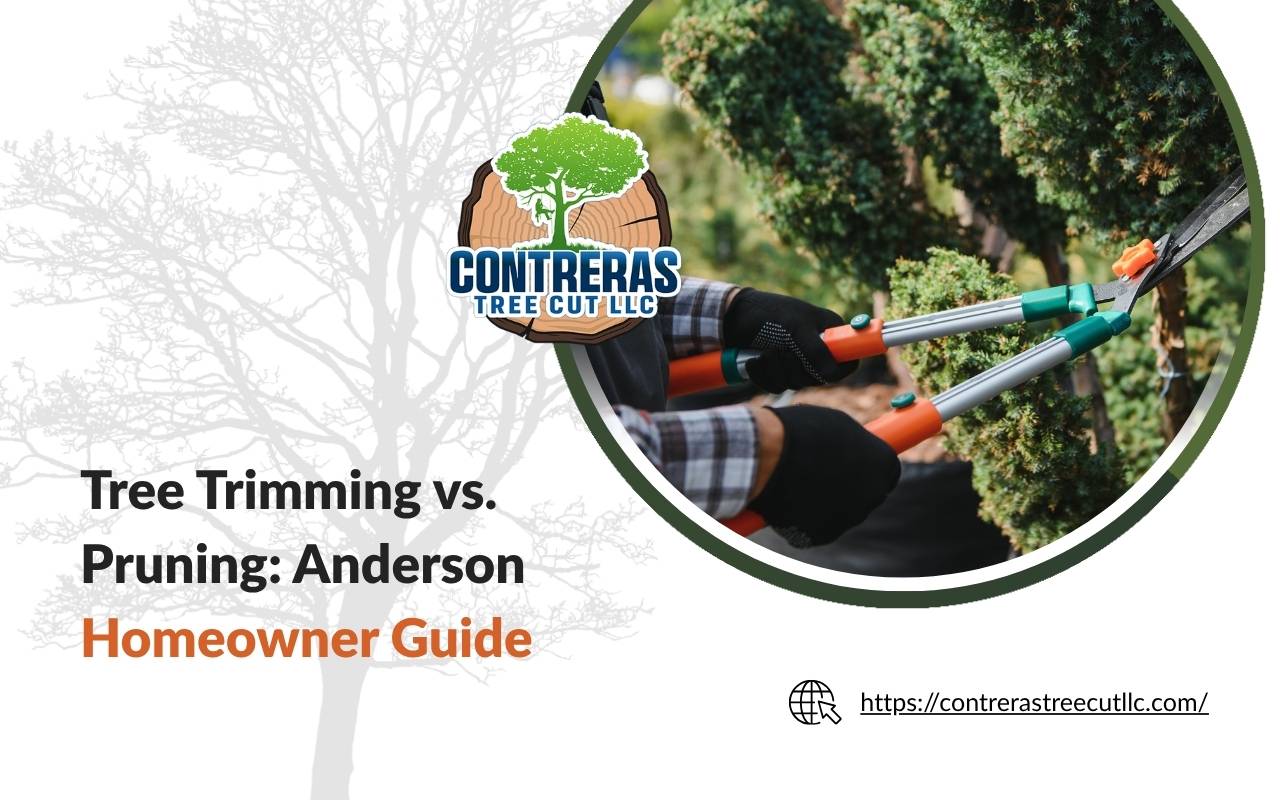
Effective trimming and pruning require quality tools. Hand pruners handle small shoots, while loppers manage thicker branches. For large limbs, a pruning saw or chainsaw ensures precision. Safety gear, including gloves and protective eyewear, is essential. Regular cleaning and sharpening of tools reduce disease transmission. For elevated branches, a ladder or pole pruner provides access but must be used with care.
Techniques for Proper Tree Trimming
Selective thinning cuts open the canopy, improving airflow and light. Crown raising creates clearance for walkways or vehicles. Heading cuts promote fuller growth but should be minimal. Always cut outside the branch collar for fast healing. Proper technique reduces disease and supports long-term tree health.
Best Practices for Pruning Specific Tree Species in Anderson
Different species require tailored pruning strategies. Crape myrtles benefit from thinning, while oaks should be pruned in cooler months. Maples and sweetgums respond well to late winter pruning. Pines need careful removal of lower branches without cutting too much of the crown. Fruit trees often benefit from summer pruning to improve fruit quality.
Timing: When to Trim or Prune Your Trees
Late winter or early spring is ideal for most pruning. Dormant pruning supports new growth and prevents sap loss. Trimming often works best in spring and early summer but avoid heavy cuts in peak heat. Deadwood removal is safe at any time. Regular inspections help prevent emergencies and ensure healthy growth cycles.
Common Mistakes to Avoid in Tree Maintenance
One mistake is topping, which causes weak regrowth and disease risks. Over-pruning stresses trees by reducing too much canopy. Improper cuts damage healing and invite pests. Dull tools create crushing injuries. Scheduling maintenance at the right frequency prevents rushed or poor decisions.
Hiring Professional Tree Care Services in Anderson
Large or complex tasks are best handled by certified arborists. Professionals understand local tree species and climate conditions. They provide tailored plans, safe deadwood removal, and proper techniques. Choosing experts with certification and insurance ensures safe, reliable work. Learn more about local services at Tree pruning and Tree trimming pages.
FAQs About Tree Trimming and Pruning
What is the main difference between trimming and pruning?
Trimming shapes the tree for appearance, while pruning removes unsafe or diseased branches for health and safety.
How often should I trim my trees in Anderson?
Most trees benefit from trimming every one to two years. Evergreens often need less frequent attention.
Is pruning safe to do in summer?
Some species can handle summer pruning, but it’s best to prune during dormant seasons for faster healing.
Do I need special equipment for pruning?
Yes. Hand pruners, loppers, saws, and protective gear are essential for safe and effective pruning.
When should I call a professional arborist?
Call a certified arborist when handling large branches, tall trees, or when specific diseases need expert care.
Creating a Beautiful and Healthy Landscape
By mastering tree trimming vs. pruning, Anderson homeowners build vibrant and safe outdoor spaces. With the right tools, timing, and guidance, trees thrive for decades. Whether handled personally or with expert help, proactive care supports strong trees and lasting curb appeal. For assistance with your landscape, consider contacting professionals through the Contact page.