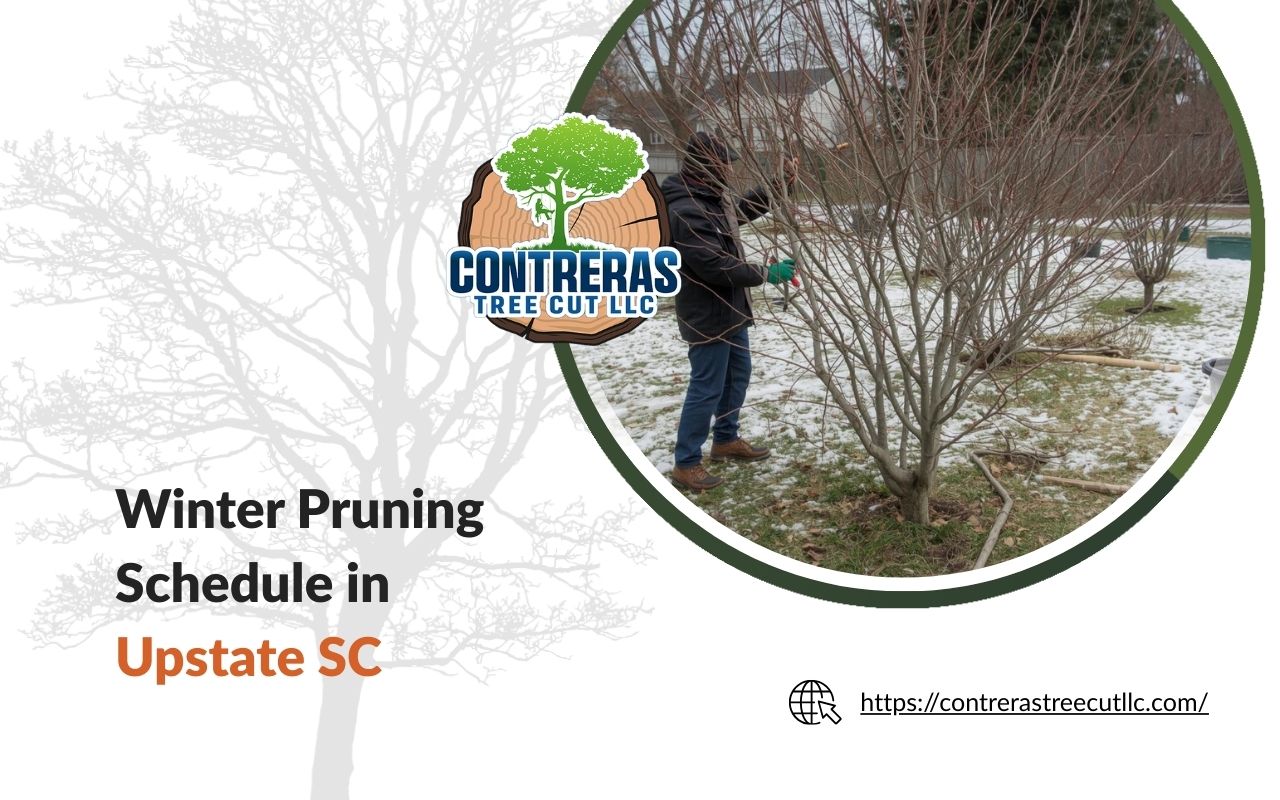
Winter Pruning Schedule in Upstate SC helps your landscape stay healthy, tidy, and safe all year. When you follow a simple local calendar, you protect your fruit trees, shrubs, and shade trees from damage and poor growth.
Because Upstate South Carolina has cold snaps and mild days, timing really matters. With a clear plan, dormant pruning becomes easier, safer, and far less stressful for homeowners.
Simple Winter Pruning Strategies That Work
Good winter pruning starts with knowing which trees to cut and which to leave alone. Most deciduous trees handle pruning well during dormancy, especially when temperatures stay above severe freezing for several days.
The Winter Pruning Schedule in Upstate SC should focus on structure, dead wood, and long-term health. Short, regular sessions usually work better than one rushed weekend of heavy cutting.
- Remove dead, diseased, or broken branches first.
- Thin crowded branches so light and air move through the canopy.
- Keep branch angles wide to support future growth and reduce storm damage.
- Step back often to review the tree’s overall shape.
Getting Started in Upstate South Carolina
Begin with the trees that most affect your home and daily life, such as fruit trees near walkways. Then, move to larger shade trees that may need safer, professional care.
Whenever large limbs, power lines, or access issues appear, it is wiser to call professional tree services in Greenville instead of climbing yourself.
Month-by-Month Winter Pruning Schedule in Upstate SC
Because winter weather shifts quickly, it helps to follow a flexible month-by-month guide rather than fixed dates. Always check the forecast before you start pruning.
- Late November–December: Focus on light dormant pruning of shade trees and remove obvious hazards.
- January: Shape deciduous trees and structural branches once deep cold has passed its peak.
- February: Prune most fruit trees for better light and airflow before buds swell.
- Early March: Finish touch-up cuts and step back from pruning early bloomers.
How Dormant Pruning Helps Your Trees
During dormant pruning, trees lose less sap and stress, and you see branch structure more clearly without leaves. This makes decisions easier and improves overall safety while you work.
Additionally, clean cuts in dormancy heal better as growth restarts in spring, especially on apples, pears, and other fruit trees.
Real Success Stories from Local Yards
Homeowners across Upstate South Carolina often notice big improvements after just one thoughtful winter season. Yards look neater, and trees respond with stronger spring growth.
For example, lightly thinning overgrown deciduous trees near patios often brings in more sunlight. At the same time, it reduces the chance of branches snapping during storms.
What Consistent Pruning Can Change
Consistent winter care usually means fewer emergency calls during heavy wind or ice. In many neighborhoods, improved structure has reduced falling limbs and related property damage.
Fruit trees also reward steady attention. With annual thinning cuts and spur management, harvests often become larger, easier to reach, and higher in quality over time.
Tools, Safety, and Dormant Pruning Essentials
Safety should guide every pruning decision, especially when winter conditions make surfaces slick or icy. A clear Winter Pruning Schedule in Upstate SC keeps work planned, calm, and less likely to become risky.
Always match your tools to the size of the branch. Sharp tools mean cleaner cuts, smoother healing, and less strain on your body.
- Use bypass hand pruners for small twigs and shoots.
- Choose loppers for medium branches within easy reach.
- Rely on a sharp pruning saw for larger limbs.
- Wear gloves, eye protection, and non-slip boots for better safety.
When to Call a Professional
If branches hang over roofs, power lines, or driveways, do not climb with a ladder. Professionals have the training, equipment, and insurance needed for this work.
Additionally, scheduling regular tree maintenance helps prevent dangerous situations from forming in the first place.
Advanced Techniques for Fruit Trees and Deciduous Shade Trees
Once the basics feel comfortable, you can shape fruit trees with more intention. Thinning cuts open the canopy, while careful heading cuts build strong fruiting wood.
Deciduous shade trees need a long-term view. Remove competing leaders early, protect the main trunk, and keep lower branches balanced so the tree handles storms gracefully.
Balancing Beauty and Long-Term Health
It is tempting to cut heavily for quick results, but trees respond better to steady, moderate pruning. This approach respects both beauty and structure.
Moreover, advanced techniques should always follow sound safety habits and local best practices for Upstate South Carolina’s climate.
Expert Tips and Common Winter Pruning Mistakes
Tree experts see the same errors during winter every year. Learning about these mistakes now can save you money, time, and stress later.
- Avoid topping trees, which weakens structure and invites decay.
- Do not prune too close to the trunk; keep the branch collar intact.
- Skip pruning on extremely cold or wet days, which can slow healing.
- Never remove more than one-third of the live canopy in a single season.
Small Changes That Make a Big Difference
Even simple choices, such as cleaning tools between trees, help limit disease spread. This habit is especially important for fruit trees.
Furthermore, planning your cuts on the ground first keeps you focused. That way, you climb less, work shorter hours, and stay safer.
Frequently Asked Questions
When should I start my Winter Pruning Schedule in Upstate SC?
Most homeowners begin light pruning in late November or December, once trees are clearly dormant. However, larger structural work often waits until January or early February, when the coldest period has passed and forecasts look steady.
Always avoid pruning right before a major freeze event, since extreme cold can damage fresh cuts.
Which trees are best for dormant pruning?
Most deciduous trees, including many common oaks, maples, and fruit trees, respond well to dormant pruning. Evergreen trees, however, often prefer lighter, more selective cuts and slightly different timing.
Whenever you are unsure, it is wise to ask a local arborist familiar with Upstate South Carolina species.
How does a tailored Winter Pruning Schedule in Upstate SC improve safety?
A customized Winter Pruning Schedule in Upstate SC helps you spot risky branches before storms arrive. By addressing dead or weak limbs during calm weather, you reduce emergency work later.
This planning also keeps you from rushing on icy days, which lowers the chance of falls and injuries.
Can I prune my own large trees?
You can safely handle small, low branches with proper tools, training, and safety gear. Yet large trees above roofs or near wires are different.
Because falls and property damage can be severe, advanced climbing and rigging should stay with insured professionals.
How often should fruit trees be pruned in winter?
Most mature fruit trees benefit from light dormant pruning every winter. This keeps their canopy open, supports strong fruiting wood, and maintains safe branch structure.
Young trees may need more shaping in their first years to build a strong framework that supports future harvests.
Plan Your Winter Tree Care with Contreras Tree Cut LLC
Winter is the perfect season to create a clear pruning plan for your property. Instead of guessing each year, partner with a trusted local team that understands Upstate South Carolina’s weather and tree species.
If you are ready to review your trees, request a visit through request a winter pruning visit. Together, you can design a winter pruning plan that keeps your trees healthy, safe, and attractive for years.